Frequently Asked Questions
What DIY electrical tasks can homeowners safely perform?
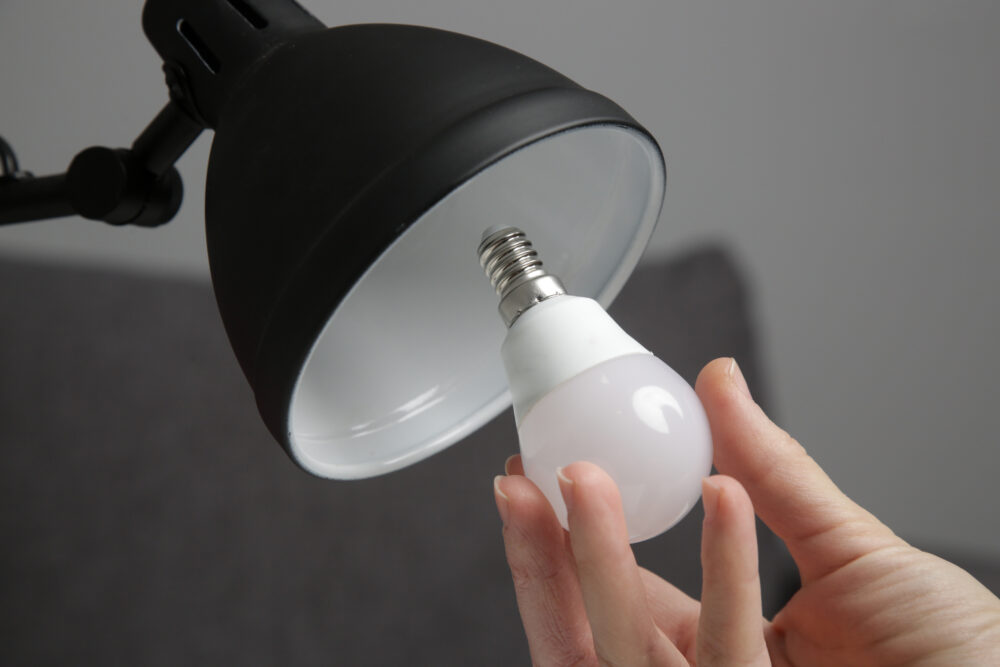
Homeowners can safely perform several DIY electrical tasks, including replacing light bulbs, testing smoke detectors, resetting circuit breakers, installing outlet covers, and changing batteries in smoke and carbon monoxide detectors. Always prioritize safety and consult a professional when in doubt.
Which electrical jobs should be left to professionals?
Certain electrical jobs should be left to professionals for safety and compliance. These include tasks like rewiring, installing new circuits, and outdoor electrical work, as they require specialized knowledge and skills to prevent hazards.
What DIY electrical tasks are safest for homeowners?
The safest DIY electrical tasks for homeowners include replacing light bulbs, testing smoke detectors, resetting circuit breakers, installing outlet covers, and changing batteries in smoke and carbon monoxide detectors. Always prioritize safety and consult a professional for complex tasks.
Which electrical jobs require a licensed electrician?
Certain electrical jobs require a licensed electrician, including rewiring homes, installing new electrical panels, performing outdoor electrical work, and upgrading circuit breakers. These tasks involve safety risks and compliance with local codes, making professional expertise essential.
How can I safely replace a light switch?
Replacing a light switch safely involves turning off the power at the circuit breaker, using a voltage tester to confirm the power is off, and carefully disconnecting the old switch before connecting the new one. Always follow proper safety precautions.
What tools do I need for DIY electrical work?
The tools needed for DIY electrical work include a voltage tester, wire strippers, a screwdriver set, pliers, and electrical tape. These essential tools will help you safely and effectively complete basic electrical tasks.
How to test if an outlet is working?
To test if an outlet is working, plug in a device such as a lamp or phone charger. If the device powers on, the outlet is functioning properly; if not, there may be an issue requiring professional assistance.
What are common electrical repairs homeowners can do?
Common electrical repairs homeowners can do include replacing light bulbs, resetting circuit breakers, testing smoke detectors, replacing fuses, and installing dimmer switches. These tasks are generally safe and manageable without professional assistance.
When should I call a professional electrician?
The situations that warrant calling a professional electrician include complex tasks like rewiring, electrical panel upgrades, and outdoor electrical installations. If you encounter frequent power outages, flickering lights, or burning smells, it's crucial to seek professional assistance for safety.
How to install a ceiling fan safely?
Installing a ceiling fan safely involves ensuring the power is turned off, using a sturdy mounting bracket, and following the manufacturer's instructions carefully. If you're unsure, consider consulting a licensed electrician for assistance.
What safety precautions should I take for DIY electrical?
The safety precautions for DIY electrical tasks include turning off power at the circuit breaker, using insulated tools, wearing rubber-soled shoes, and never working with wet hands. Always prioritize safety and consult a professional when in doubt.
How to troubleshoot a tripped circuit breaker?
Troubleshooting a tripped circuit breaker involves first locating your electrical panel and checking which breaker has tripped. Reset the breaker by flipping it fully off and then back on. If it trips again, there may be an overload or a short circuit that requires professional assistance.
What are the risks of DIY electrical work?
The risks of DIY electrical work include potential electrical shock, fire hazards, and improper installations that can lead to costly damage or injury. It's crucial to recognize when to seek professional help to ensure safety and compliance with local codes.
How to change a light fixture properly?
Changing a light fixture properly involves turning off the power at the circuit breaker, removing the old fixture, connecting the new fixture's wires to the corresponding wires in the ceiling, and securely mounting it before restoring power.
What electrical tasks are illegal for homeowners?
Certain electrical tasks are illegal for homeowners, including major rewiring, installing new circuits, and any work that involves the main electrical panel. These tasks must be performed by licensed electricians to ensure safety and compliance with local codes.
How to check for faulty wiring in my home?
Checking for faulty wiring in your home involves inspecting outlets for discoloration, testing circuit breakers for frequent tripping, and using a multimeter to check voltage levels. If you suspect issues, contact AtoZ Electric for a professional evaluation.
What are signs of electrical problems in a house?
Signs of electrical problems in a house include frequent circuit breaker trips, flickering lights, burning smells, discolored outlets, and warm or sparking switches. If you notice any of these issues, it's essential to contact a licensed electrician for assistance.
How to install outdoor lighting safely?
Installing outdoor lighting safely involves ensuring all fixtures are rated for outdoor use, using weatherproof connections, and following local electrical codes. Always turn off power at the circuit breaker before starting and consider consulting a licensed electrician for complex installations.
What should I know about electrical codes?
Electrical codes are essential regulations that ensure safety and compliance in electrical installations and repairs. Familiarizing yourself with these codes helps prevent hazards and guarantees that work meets local standards, protecting both property and lives.
How to reset a GFCI outlet?
Resetting a GFCI outlet is straightforward: locate the reset button on the outlet, usually found between the two sockets, and press it firmly until you hear a click. This should restore power to the outlet.
What are the benefits of hiring a professional electrician?
The benefits of hiring a professional electrician include ensuring safety, compliance with local codes, and access to expert knowledge for complex tasks. This helps prevent costly mistakes and provides peace of mind for both residential and commercial electrical needs.
How to safely install a dimmer switch?
The safe installation of a dimmer switch involves turning off the power at the circuit breaker, carefully removing the existing switch, and connecting the dimmer switch according to the manufacturer's instructions. Always ensure proper grounding and secure all connections before restoring power.
What DIY electrical projects can enhance home safety?
DIY electrical projects that can enhance home safety include replacing old or faulty smoke detectors, installing GFCI outlets in wet areas, and updating light fixtures to energy-efficient LED bulbs. These tasks help prevent electrical hazards and ensure a safer living environment.
How to identify overloaded circuits in my home?
Identifying overloaded circuits in your home involves checking for frequently tripped breakers, warm outlets, or flickering lights. If you notice these signs, it’s essential to consult a licensed electrician to ensure safety and proper handling.
What are the best practices for electrical safety?
The best practices for electrical safety include regularly inspecting wiring, using appliances as intended, avoiding overloading circuits, ensuring proper grounding, and keeping water away from electrical sources. Always consult a licensed electrician for any complex issues.
How to replace a broken electrical outlet?
Replacing a broken electrical outlet involves turning off the power, removing the outlet cover, unscrewing the outlet from the wall, disconnecting the wires, and attaching the new outlet before securing it back in place. Always prioritize safety and consult a professional if unsure.
What should I do if I smell burning wires?
If you smell burning wires, it is crucial to act immediately. Turn off the power to the affected area, evacuate everyone from the premises, and contact a licensed electrician to assess and resolve the issue safely.
How to properly use electrical tape in repairs?
Proper use of electrical tape in repairs involves ensuring the surface is clean and dry, wrapping the tape tightly around the wire or connection, and overlapping each layer by half to provide insulation and protection.
What are the most common DIY electrical mistakes?
The most common DIY electrical mistakes include overloading circuits, using incorrect wire sizes, neglecting to turn off power before starting work, failing to secure connections properly, and using non-rated materials for electrical tasks.
How to ensure my home’s electrical system is safe?
Ensuring your home’s electrical system is safe involves regular inspections, checking for frayed wires, testing smoke detectors, and using surge protectors. For comprehensive safety, consult a licensed electrician for any concerns or complex tasks.